Transforming Workflows at Novo Nordisk Through AI and User-Centric Design
Navigating AI-First Design as a Designer
As many forward-thinking companies, Novo Nordisk saw a strategic opportunity to leverage generative AI.
A Shift in Mindset Designing for AI is fundamentally different from traditional product design. In a standard design process, we typically start with a user or a business problem and build a bespoke solution to fix it. However, with AI, the "solution" (the technological capability) often comes first.
This reversed my usual workflow. Instead of asking "What feature do we build?", I had to ask "What are the capabilities and limitations of AI, and where can it safely solve a real user pain point?"
My role shifted from designing static interfaces to designing guardrails—understanding where the AI might fail (hallucinations, inaccuracy) and creating a UI that helps users verify the output rather than blindly trusting it.
Core Responsibilities
AI Opportunity Design Sprint Facilitation ● Rapid AI Prototyping ● Multi-Stage User Testing ● High-Fidelity Design ● Defining AI Design Principles
Project Context
Timeline: 6 Months ● Team: Cross-functional (Environmental Specialists, R&D, Engineering) ● Partnership: In collaboration with a leading global technology partner
Meet the Quality Copilot MVP
Turning Data Retrieval into Data Verification
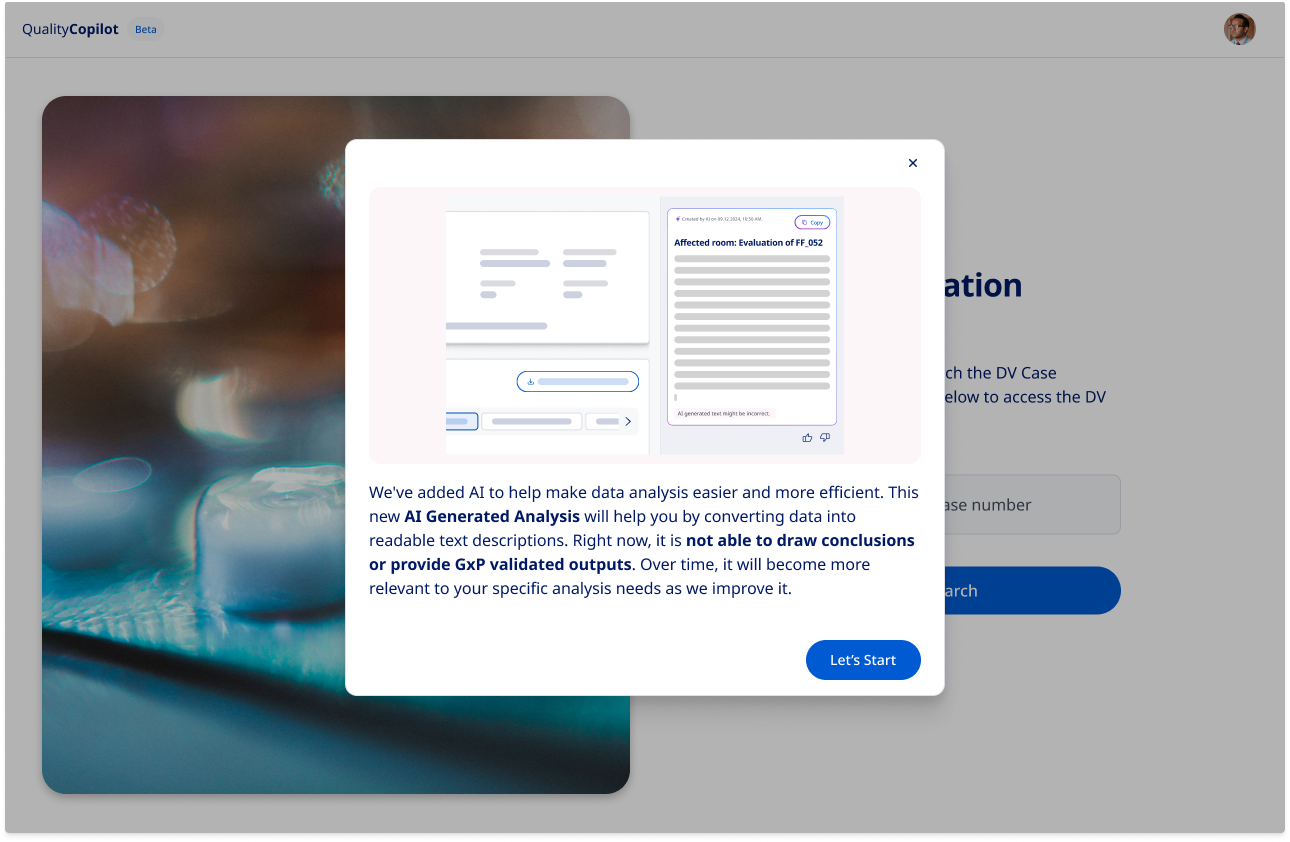
The Quality Copilot is a generative AI solution built to assist Environmental Specialists in handling deviation cases on the shop floor. By automating the heavy lifting of data retrieval, we shifted the user's role from "Searcher" to "Verifier."
Key Features:
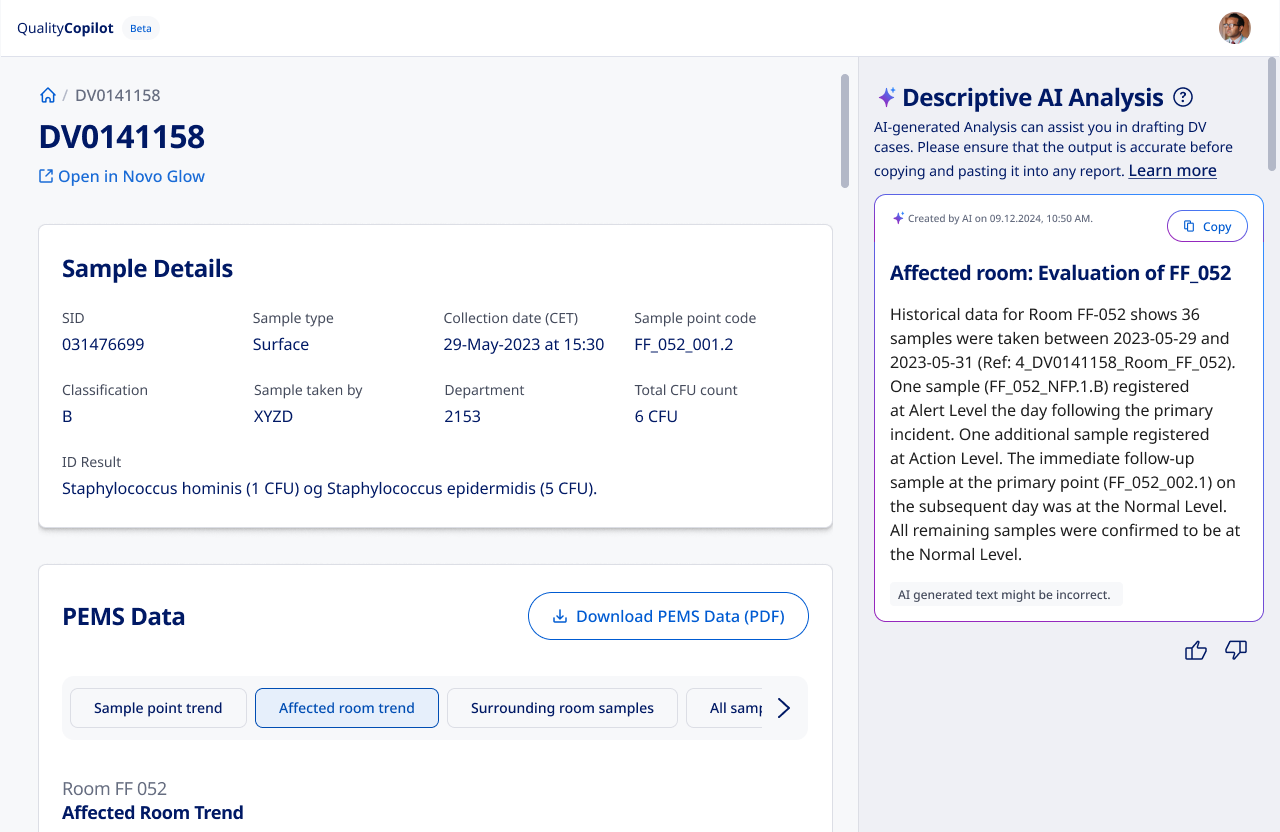
Unified Workspace: Aggregates relevant documentation and sensor data into one view.
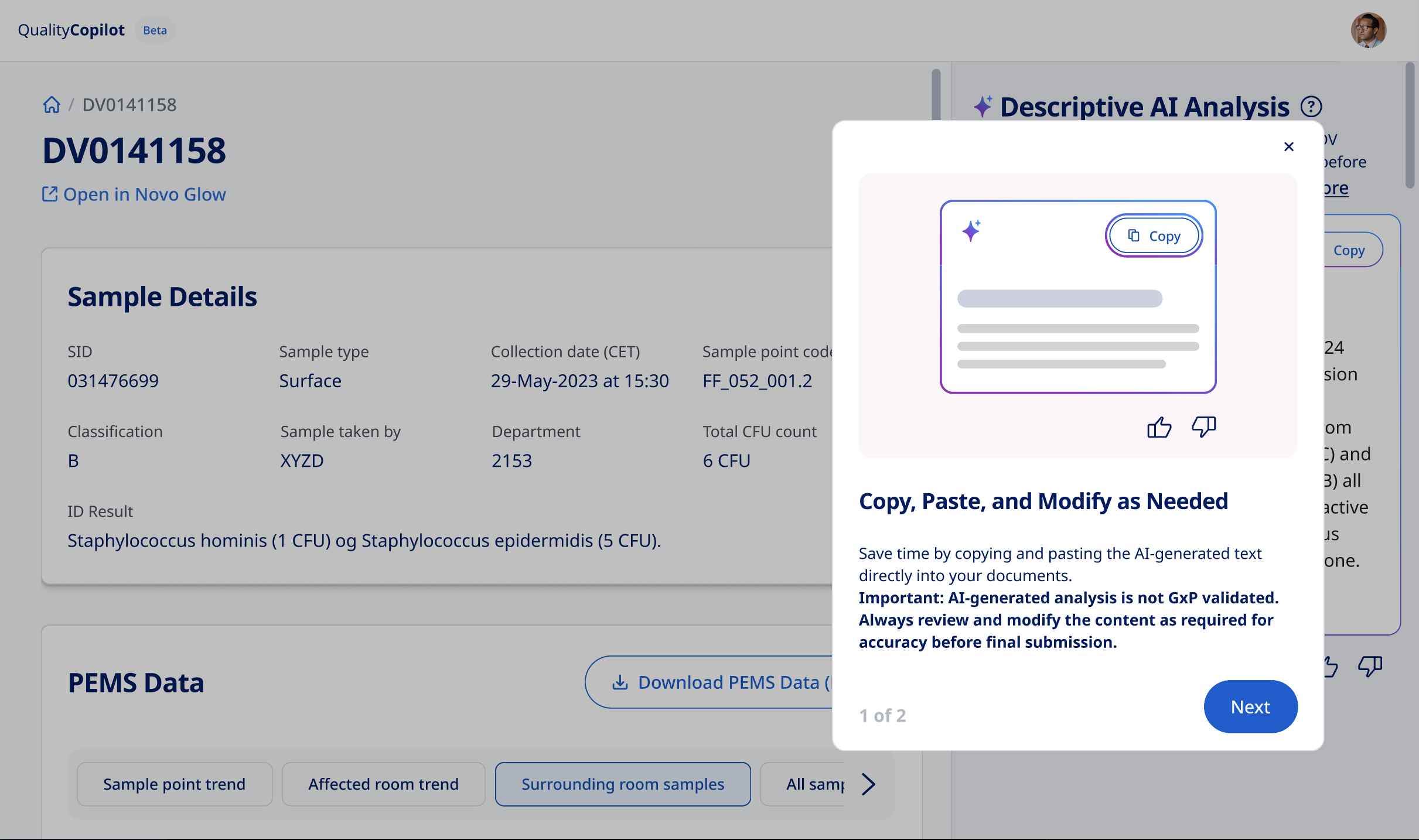
AI-Drafted Analysis: Generates first-draft summaries of deviation events to speed up reporting.
Source-First Design: Prioritizes citations and data provenance to ensure trust and transparency in a regulated environment.
A Quick Look into the Design Process
AI Opportunity Design Sprint
The Problem: Specialists were losing hours to manual data gathering across disjointed systems.
AI Opportunity Map : We mapped the "As-Is" user journey to identify specific steps where manual effort was highest, allowing us to insert AI solutions that targeted actual user pain points.
The Constraint: In a regulated Pharma environment, AI cannot be a "black box." Every design decision prioritized explainability and verification.
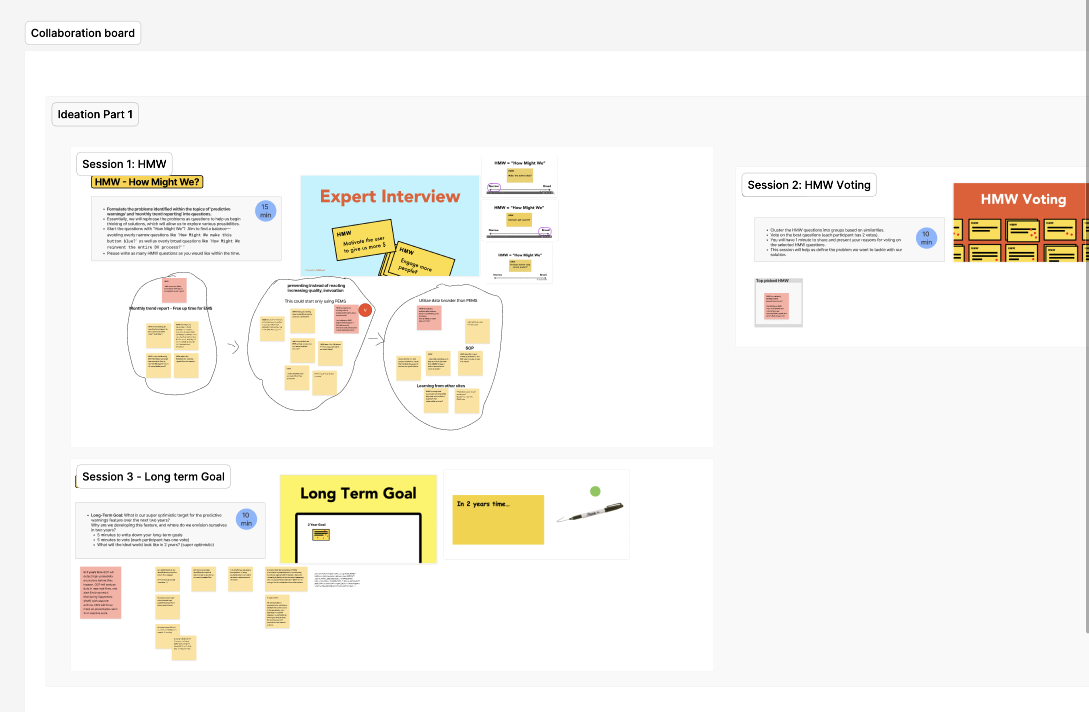
This image shows the the whiteboard of the ideation sessions.
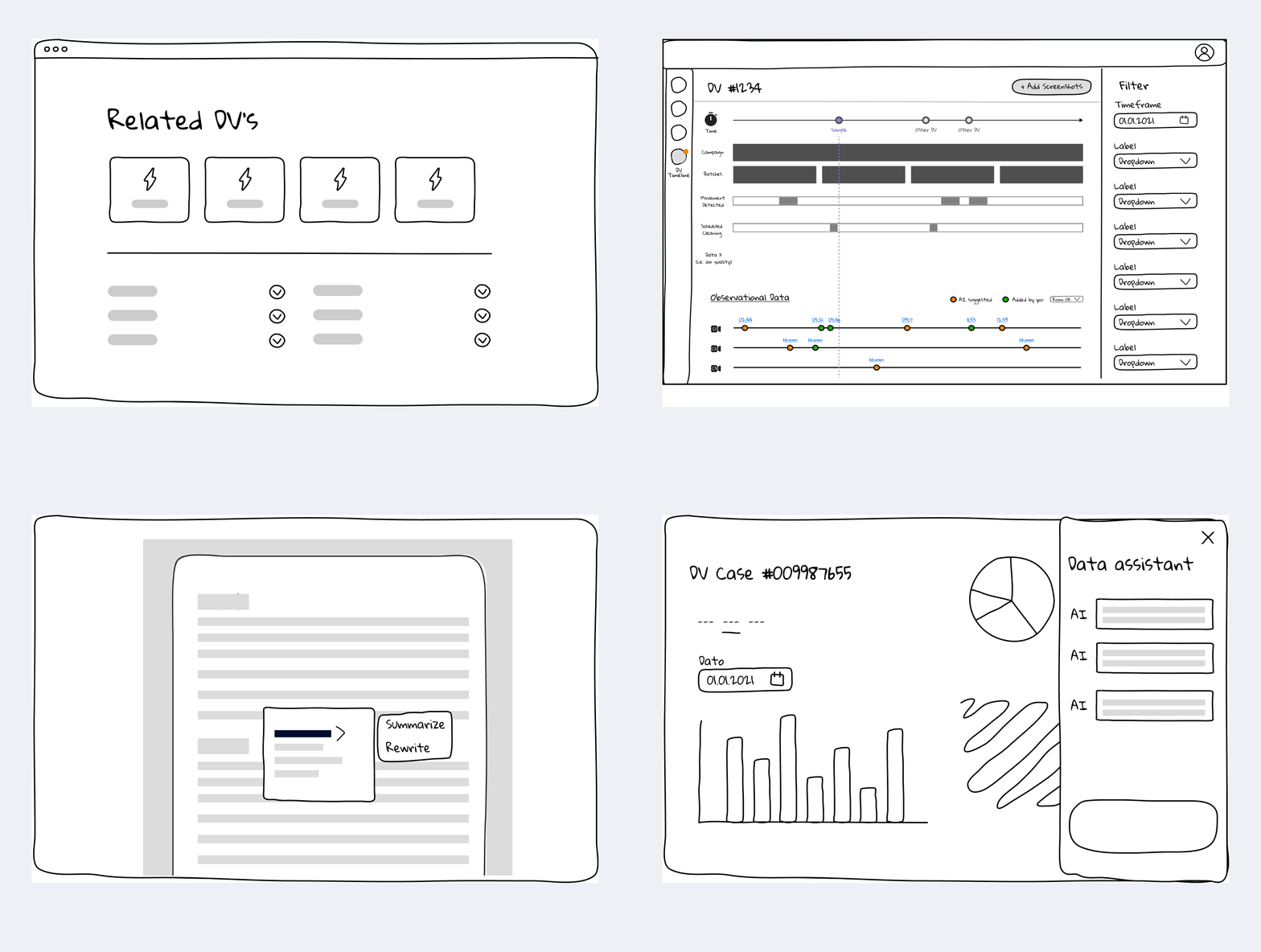
This image shows low-fidelity wireframes during the ideation sessions to translate abstract AI opportunities into tangible concepts. This allowed the cross-functional team to align on the "to-be" user flow.
Comparative Concept Validation Using Rapid AI Prototypes
To define the MVP direction, I conducted comparative user testing with target users. Participants explored two distinct prototype concepts and were encouraged to think aloud while trying both interaction models. By synthesizing observations of users interacting with the prototypes, I focused on positive and negative feedback as well as mentions of useful assets. I identified a clear "winner" that balanced automation with user control, which became the blueprint for our MVP feature set.
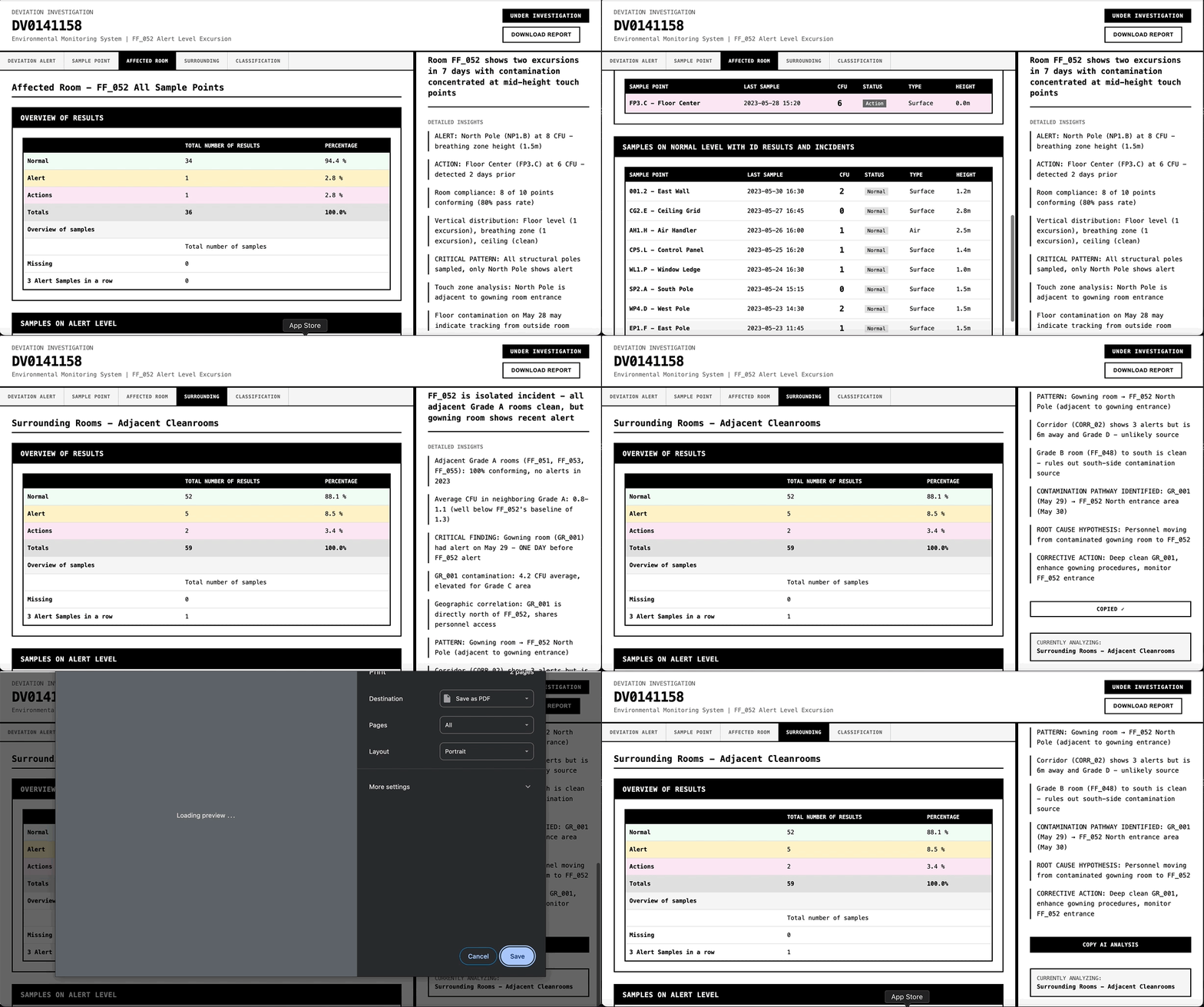
This screen recording ☝️ shows the concept users preferred in prototype testing: presenting all relevant data without requiring users to gather reports manually across multiple software, and allowing users to copy an AI descriptive analysis of that data into their reports.
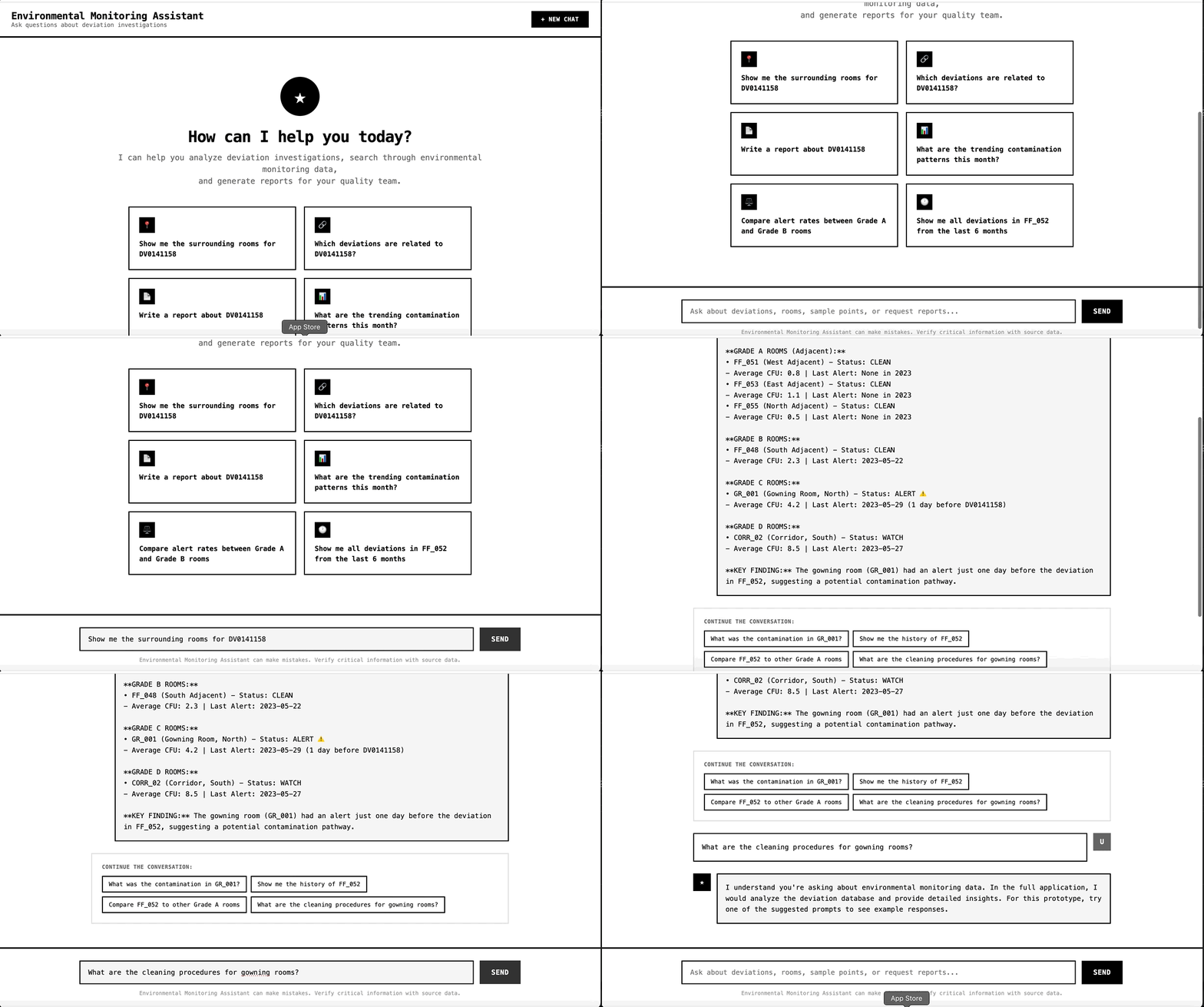
This screen recording ☝️ shows the concept of allowing to query consolidated data in one place, but they felt this would simply create another method of collecting the report through prompts.
The UX of the AI and AI output was refined through multiple rounds of user feedback
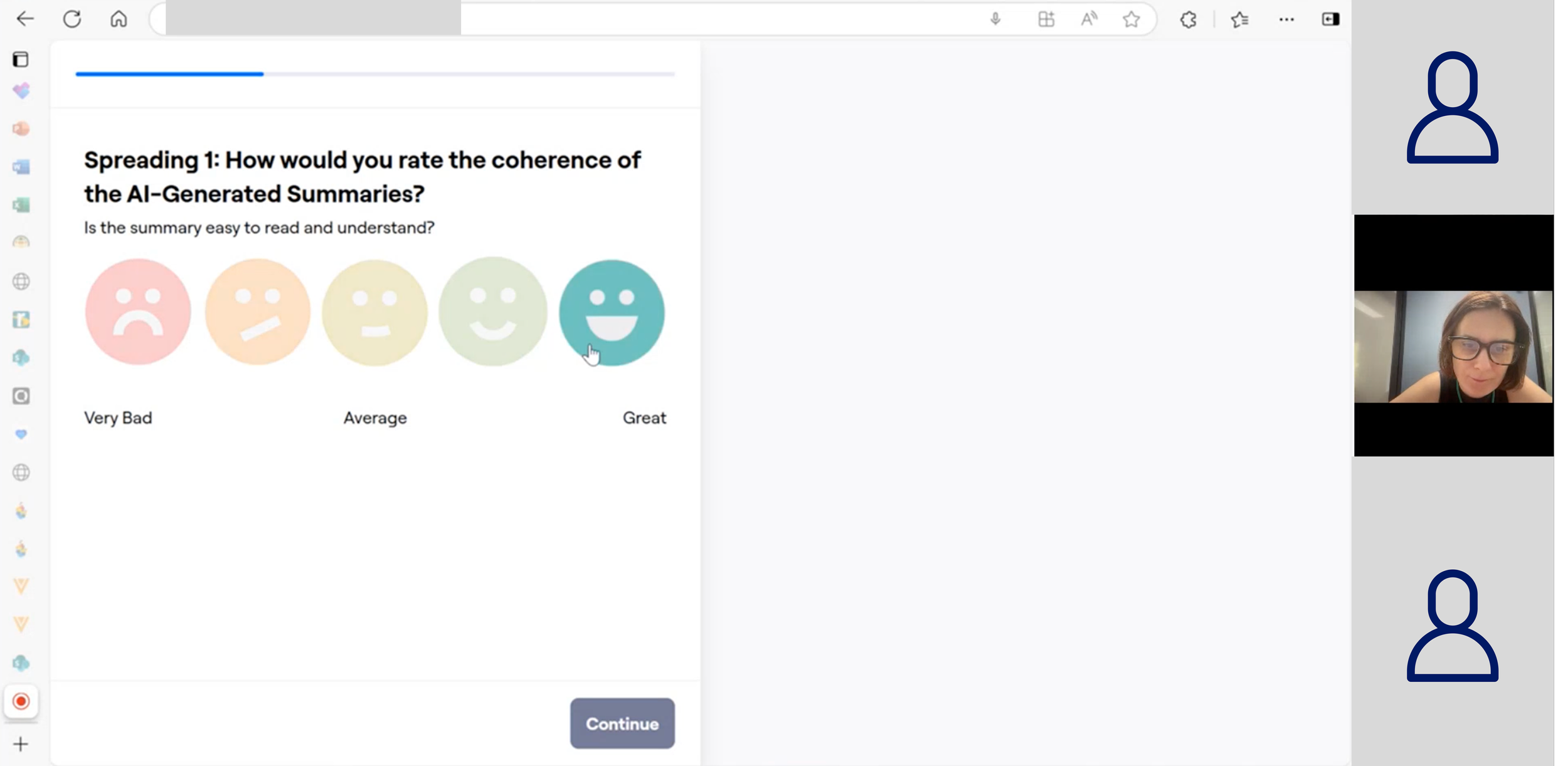
This image shows usertesting of the AI output. Users interacted with prototypes featuring pre-generated AI summaries, followed by exploratory testing and semi-structured interviews I collected quantitative ratings across key parameters—accuracy, clarity, and usefulness—to systematically improve AI output quality and refine backend prompt engineering.
Impact and Results of the MVP Copilot
Final testing with 15 specialists across 3 manufacturing sites found 85% rated the AI-enhanced workflow as "natural", "trustworthy" and “efficient”
Recognizing the lack of consistent AI design guidelines as a critical organizational gap, I initiated to establish shared design language and ethical AI guidelines, ultimately authoring AI design system components for the corporate broader design system.